Buy fahrzeugbeschriftung.eu ?
We are moving the project
fahrzeugbeschriftung.eu .
Are you interested in purchasing the domain
fahrzeugbeschriftung.eu ?
domain@kv-gmbh.de · 0541-91531010
Buy fahrzeugbeschriftung.eu ?
Can you explain saponification?
Saponification is a chemical reaction that occurs when a fat or oil is mixed with a strong alkali, such as sodium hydroxide (lye), resulting in the formation of soap and glycerin. During saponification, the alkali breaks down the ester bonds in the fat molecules, releasing fatty acids and glycerol. The fatty acids then react with the alkali to form soap molecules, while glycerin is a byproduct of the reaction. This process is commonly used in the production of soap. **
How does saponification work in chemistry?
Saponification is a chemical reaction that involves the hydrolysis of ester bonds in fats and oils by a strong base, typically sodium hydroxide or potassium hydroxide. This reaction results in the formation of glycerol and soap molecules, which are the salts of fatty acids. The hydroxide ions from the base break the ester bonds in the triglyceride molecules, releasing the fatty acids and glycerol. The fatty acids then react with the metal ions from the base to form soap molecules, which are soluble in water and have detergent properties. **


Similar search terms for Saponification
Top-Angebote
Products related to Saponification:
-
Inspired Deals Sport Racing Car Side Decal Sticker Set For Bold Vehicle Styling silverTurn every drive into a statement with a sleek upgrade that captures the spirit of speed and individuality. This car decal sticker is designed for drivers who want their vehicle to stand out with a sporty, raceinspired look. Featuring a bold...39,97 $*Shipping: 0,00 $Secure redirect to the provider
-
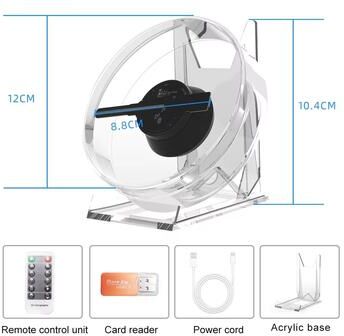
Inspired Finds 4.72in Mini 3D Hologram Fan USB Advertising Display Light 4.72in Mini 3D Hologram Fan USB Advertising Display LightTurn any counter, shelf, or event table into an attentiongrabbing display with this mini 3D hologram fan. Designed to create floatingstyle visuals with a compact spinning LED setup, it adds a futuristic look that feels far more exciting than an...93,99 $*Shipping: 0,00 $Secure redirect to the provider
-
Of Wheels Deals Bonnet Decal, Car Vinyl Stickers, Auto Tuning Accessories For Unique Vehicle Design 2pcs Door Stickers glossy OrangeUpgrade Your Vehicles Look with Premium Car Vinyl Stickers Transform your car into a headturning masterpiece with our Car Vinyl Stickers Bonnet Decal Auto Tuning Accessories. Designed for style enthusiasts, these highquality decals bring a bold,...22,97 $*Shipping: 0,00 $Secure redirect to the provider
-
Of Wheels Deals Bonnet Decal, Car Vinyl Stickers, Auto Tuning Accessories For Unique Vehicle Design 2pcs Door Stickers glossy BlackUpgrade Your Vehicles Look with Premium Car Vinyl Stickers Transform your car into a headturning masterpiece with our Car Vinyl Stickers Bonnet Decal Auto Tuning Accessories. Designed for style enthusiasts, these highquality decals bring a bold,...22,97 $*Shipping: 0,00 $Secure redirect to the provider



-
What are chemical reactions in saponification?
Chemical reactions in saponification involve the reaction of a fat or oil with a strong base, typically sodium hydroxide or potassium hydroxide. This reaction results in the formation of soap and glycerol. The fatty acids in the fat or oil react with the base to form the soap molecules, while glycerol is a byproduct of the reaction. Saponification is a key process in soap-making and is essential for the production of soap. **
-
Is this saponification reaction equation correct?
Yes, the saponification reaction equation provided is correct. Saponification is the process of making soap by reacting a fat or oil with a strong base, such as sodium hydroxide or potassium hydroxide. The reaction results in the formation of soap (sodium or potassium salts of fatty acids) and glycerol. The equation shown accurately represents this chemical transformation. **
-
What is the equation for saponification?
The general equation for saponification is: ester + base → alcohol + carboxylate salt. In the specific case of the saponification of a triglyceride (fat or oil) with a strong base such as sodium hydroxide, the equation is: triglyceride + sodium hydroxide → glycerol + 3 fatty acid salts. **
-
How can one derive the saponification value?
The saponification value can be derived by determining the amount of potassium hydroxide (KOH) or sodium hydroxide (NaOH) required to saponify a specific amount of fat or oil. This is typically done through a chemical reaction where the fat or oil is mixed with a known concentration of KOH or NaOH. The amount of KOH or NaOH used in the reaction is then measured, and the saponification value is calculated based on the molecular weight of the fat or oil. This value is important in determining the amount of alkali needed for soap making or in assessing the purity of fats and oils. **


What is the reaction equation for saponification?
The reaction equation for saponification involves the hydrolysis of an ester, typically a triglyceride, with a strong base such as sodium hydroxide or potassium hydroxide. The general equation for saponification is: Ester + Base → Alcohol + Salt of Fatty Acid. For example, in the saponification of a triglyceride like olive oil, the reaction equation would be: Triglyceride (olive oil) + 3NaOH → Glycerol + 3 Sodium Salts of Fatty Acids (soap). **
How can one determine the saponification value?
The saponification value can be determined by performing a chemical reaction called saponification on a known weight of the fat or oil sample. This reaction involves the hydrolysis of the ester bonds in the fat or oil with a strong base, such as potassium hydroxide. The amount of base required to saponify the fat or oil is then measured, and the saponification value is calculated based on the weight of the sample and the amount of base used. This value is expressed as the number of milligrams of potassium hydroxide required to saponify one gram of the fat or oil sample. **
Top-Angebote
Products related to Saponification:
-
Snug & Styled French Flag Car Wrap Decal Film Waterproof Self Adhesive Vehicle Sticker bTransform your vehicle with a stylish touch that instantly stands out wherever you go. This car wrap decal is designed for drivers who want a quick, affordable way to personalize their car, truck, or SUV without permanent modifications. Made with a...39,97 $*Shipping: 0,00 $Secure redirect to the provider
-
Of Wheels Deals Bonnet Decal, Car Vinyl Stickers, Auto Tuning Accessories For Unique Vehicle Design 2pcs Door Stickers glossy BlueUpgrade Your Vehicles Look with Premium Car Vinyl Stickers Transform your car into a headturning masterpiece with our Car Vinyl Stickers Bonnet Decal Auto Tuning Accessories. Designed for style enthusiasts, these highquality decals bring a bold,...22,97 $*Shipping: 0,00 $Secure redirect to the provider
-
Inspired Deals Sport Racing Car Side Decal Sticker Set For Bold Vehicle Styling silverTurn every drive into a statement with a sleek upgrade that captures the spirit of speed and individuality. This car decal sticker is designed for drivers who want their vehicle to stand out with a sporty, raceinspired look. Featuring a bold...39,97 $*Shipping: 0,00 $Secure redirect to the provider
-
Inspired Finds 4.72in Mini 3D Hologram Fan USB Advertising Display Light 4.72in Mini 3D Hologram Fan USB Advertising Display LightTurn any counter, shelf, or event table into an attentiongrabbing display with this mini 3D hologram fan. Designed to create floatingstyle visuals with a compact spinning LED setup, it adds a futuristic look that feels far more exciting than an...93,99 $*Shipping: 0,00 $Secure redirect to the provider
-
Can you explain saponification?
Saponification is a chemical reaction that occurs when a fat or oil is mixed with a strong alkali, such as sodium hydroxide (lye), resulting in the formation of soap and glycerin. During saponification, the alkali breaks down the ester bonds in the fat molecules, releasing fatty acids and glycerol. The fatty acids then react with the alkali to form soap molecules, while glycerin is a byproduct of the reaction. This process is commonly used in the production of soap. **
-
How does saponification work in chemistry?
Saponification is a chemical reaction that involves the hydrolysis of ester bonds in fats and oils by a strong base, typically sodium hydroxide or potassium hydroxide. This reaction results in the formation of glycerol and soap molecules, which are the salts of fatty acids. The hydroxide ions from the base break the ester bonds in the triglyceride molecules, releasing the fatty acids and glycerol. The fatty acids then react with the metal ions from the base to form soap molecules, which are soluble in water and have detergent properties. **
-
What are chemical reactions in saponification?
Chemical reactions in saponification involve the reaction of a fat or oil with a strong base, typically sodium hydroxide or potassium hydroxide. This reaction results in the formation of soap and glycerol. The fatty acids in the fat or oil react with the base to form the soap molecules, while glycerol is a byproduct of the reaction. Saponification is a key process in soap-making and is essential for the production of soap. **
-
Is this saponification reaction equation correct?
Yes, the saponification reaction equation provided is correct. Saponification is the process of making soap by reacting a fat or oil with a strong base, such as sodium hydroxide or potassium hydroxide. The reaction results in the formation of soap (sodium or potassium salts of fatty acids) and glycerol. The equation shown accurately represents this chemical transformation. **
Similar search terms for Saponification
-
Of Wheels Deals Bonnet Decal, Car Vinyl Stickers, Auto Tuning Accessories For Unique Vehicle Design 2pcs Door Stickers glossy OrangeUpgrade Your Vehicles Look with Premium Car Vinyl Stickers Transform your car into a headturning masterpiece with our Car Vinyl Stickers Bonnet Decal Auto Tuning Accessories. Designed for style enthusiasts, these highquality decals bring a bold,...22,97 $*Shipping: 0,00 $Secure redirect to the provider
-
Of Wheels Deals Bonnet Decal, Car Vinyl Stickers, Auto Tuning Accessories For Unique Vehicle Design 2pcs Door Stickers glossy BlackUpgrade Your Vehicles Look with Premium Car Vinyl Stickers Transform your car into a headturning masterpiece with our Car Vinyl Stickers Bonnet Decal Auto Tuning Accessories. Designed for style enthusiasts, these highquality decals bring a bold,...22,97 $*Shipping: 0,00 $Secure redirect to the provider
-
Of Wheels Deals Bonnet Decal, Car Vinyl Stickers, Auto Tuning Accessories For Unique Vehicle Design 2pcs Door Stickers glossy GrayUpgrade Your Vehicles Look with Premium Car Vinyl Stickers Transform your car into a headturning masterpiece with our Car Vinyl Stickers Bonnet Decal Auto Tuning Accessories. Designed for style enthusiasts, these highquality decals bring a bold,...22,97 $*Shipping: 0,00 $Secure redirect to the provider
-
Of Wheels Deals Bonnet Decal, Car Vinyl Stickers, Auto Tuning Accessories For Unique Vehicle Design 2pcs Door Stickers carbon FiberUpgrade Your Vehicles Look with Premium Car Vinyl Stickers Transform your car into a headturning masterpiece with our Car Vinyl Stickers Bonnet Decal Auto Tuning Accessories. Designed for style enthusiasts, these highquality decals bring a bold,...22,97 $*Shipping: 0,00 $Secure redirect to the provider
-
What is the equation for saponification?
The general equation for saponification is: ester + base → alcohol + carboxylate salt. In the specific case of the saponification of a triglyceride (fat or oil) with a strong base such as sodium hydroxide, the equation is: triglyceride + sodium hydroxide → glycerol + 3 fatty acid salts. **
-
How can one derive the saponification value?
The saponification value can be derived by determining the amount of potassium hydroxide (KOH) or sodium hydroxide (NaOH) required to saponify a specific amount of fat or oil. This is typically done through a chemical reaction where the fat or oil is mixed with a known concentration of KOH or NaOH. The amount of KOH or NaOH used in the reaction is then measured, and the saponification value is calculated based on the molecular weight of the fat or oil. This value is important in determining the amount of alkali needed for soap making or in assessing the purity of fats and oils. **
-
What is the reaction equation for saponification?
The reaction equation for saponification involves the hydrolysis of an ester, typically a triglyceride, with a strong base such as sodium hydroxide or potassium hydroxide. The general equation for saponification is: Ester + Base → Alcohol + Salt of Fatty Acid. For example, in the saponification of a triglyceride like olive oil, the reaction equation would be: Triglyceride (olive oil) + 3NaOH → Glycerol + 3 Sodium Salts of Fatty Acids (soap). **
-
How can one determine the saponification value?
The saponification value can be determined by performing a chemical reaction called saponification on a known weight of the fat or oil sample. This reaction involves the hydrolysis of the ester bonds in the fat or oil with a strong base, such as potassium hydroxide. The amount of base required to saponify the fat or oil is then measured, and the saponification value is calculated based on the weight of the sample and the amount of base used. This value is expressed as the number of milligrams of potassium hydroxide required to saponify one gram of the fat or oil sample. **
* All prices are inclusive of VAT and, if applicable, plus shipping costs. The offer information is based on the details provided by the respective shop and is updated through automated processes. Real-time updates do not occur, so deviations can occur in individual cases. ** Note: Parts of this content were created by AI.